This homemade chicken grit is one of the easiest and most resourceful things you can do with your farm fresh eggs. The result is calcium for your chickens that produces excellent egg shell quality.
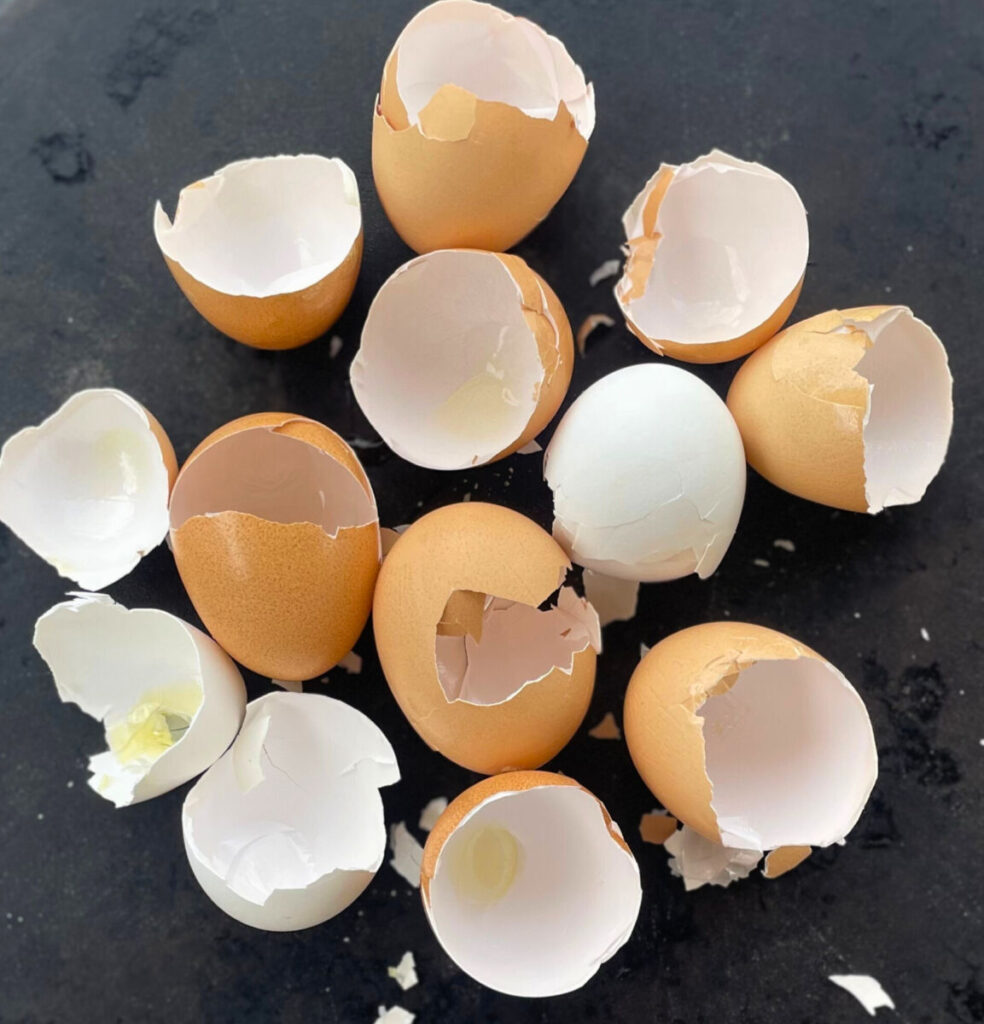
When I started out on my chicken journey, I was very confused and lost as to what feed, supplements, and grit my chickens needed and when to start each one. I was also wanting to be as cost-effective in raising chickens as possible. Chickens are one of the easiest animals to care for once you figure out what they need. With that in mind, let me break down the questions surrounding chicken grit for laying hens.
What is Chicken Grit?
Chicken grit is small or crushed rocks that a chicken consumes in order to aid in digestion or provide essential nutrients.
What are the 2 types of chicken grit?
The 2 types of chicken grit are soluble and insoluble. Soluble means it dissolves in the digestive system while insoluble means it does not dissolve. It stays in the gizzard and aids in digestion. Laying hens need both on a continuous basis since both types of grit will eventually pass through their digestive system.
Why do Chickens Need Grit?
You may or may not know this, but chickens actually don’t have any teeth. Since they don’t have teeth, they need a way to grind their food so it can be more easily digested. This is where the insoluble grit comes in. The chickens consume the grit and then the small stones or pebbles make their way to the chicken’s gizzard. Once there, they help break down food, especially plants, bugs, or table scraps that the chickens may eat. This ensures the chickens get the most nutrients from their foods and avoid complications such as impacted crop.
Chickens need soluble grit to provide essential calcium. Calcium grit often comes in the form of crushed oyster shells or limestone. It is important for keeping the chicken’s bone structure strong and eggshells hard so they don’t crack too easily.
How to Make Homemade Grit for Chickens
For calcium grit (the soluble kind of grit), you can make your own at home with something you should have plenty of if you have laying hens…eggshells!
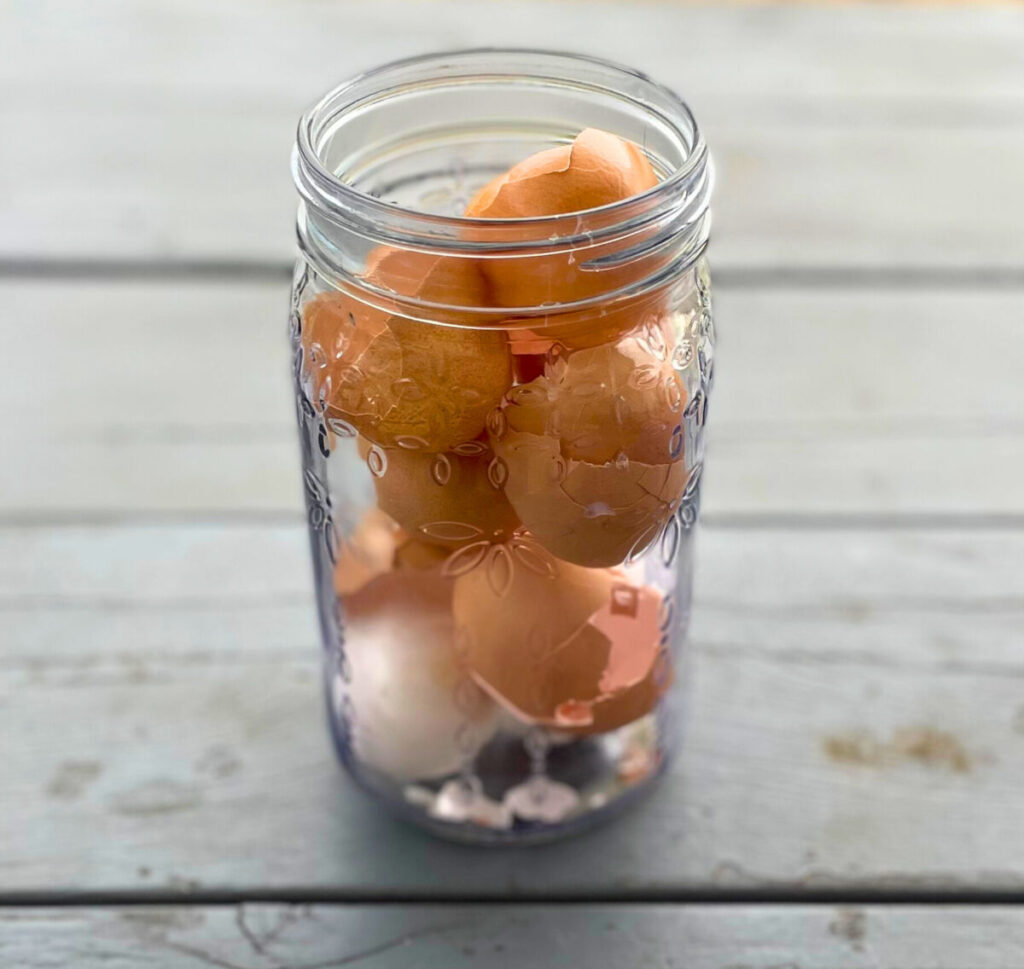
Step 1: Gather your eggshells. I keep a glass jar in my kitchen, and as I’m cooking, I simply store my used eggshells in the jar on the countertop until it’s full and I have enough for a batch of grit. You can make as much or as little as you have on hand or will fit on your pan.
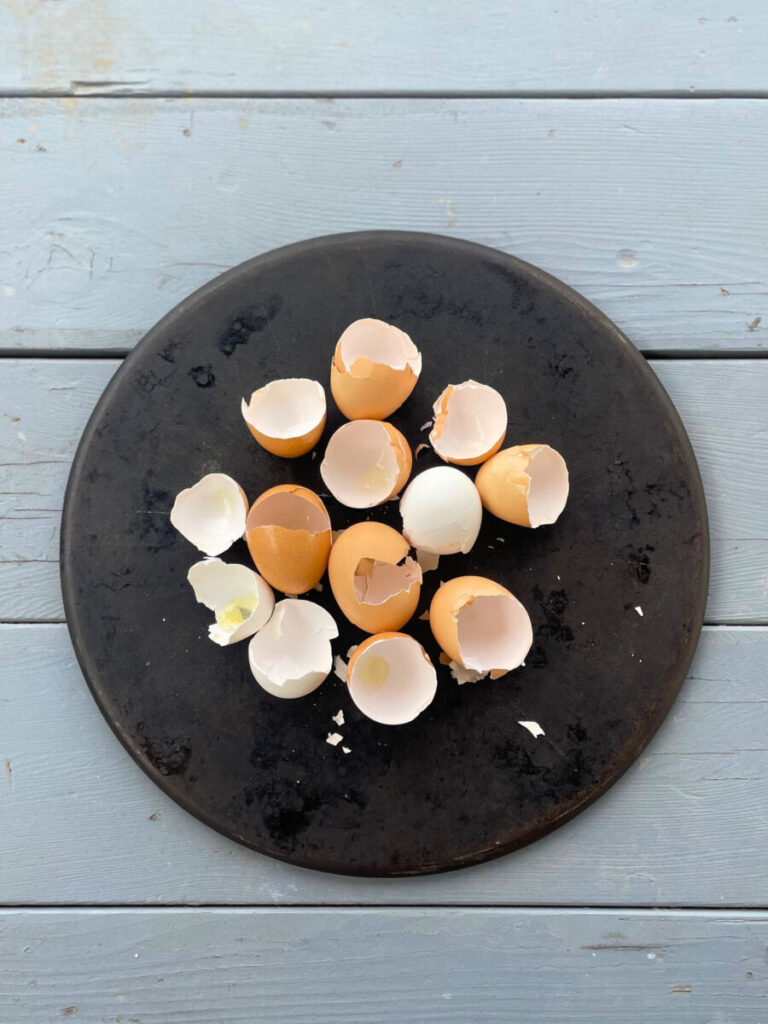
Step 2: Preheat your oven to 350 degrees and dump eggshells onto a baking sheet or pan.
Step 3: Bake at 350 degrees for 10 minutes.
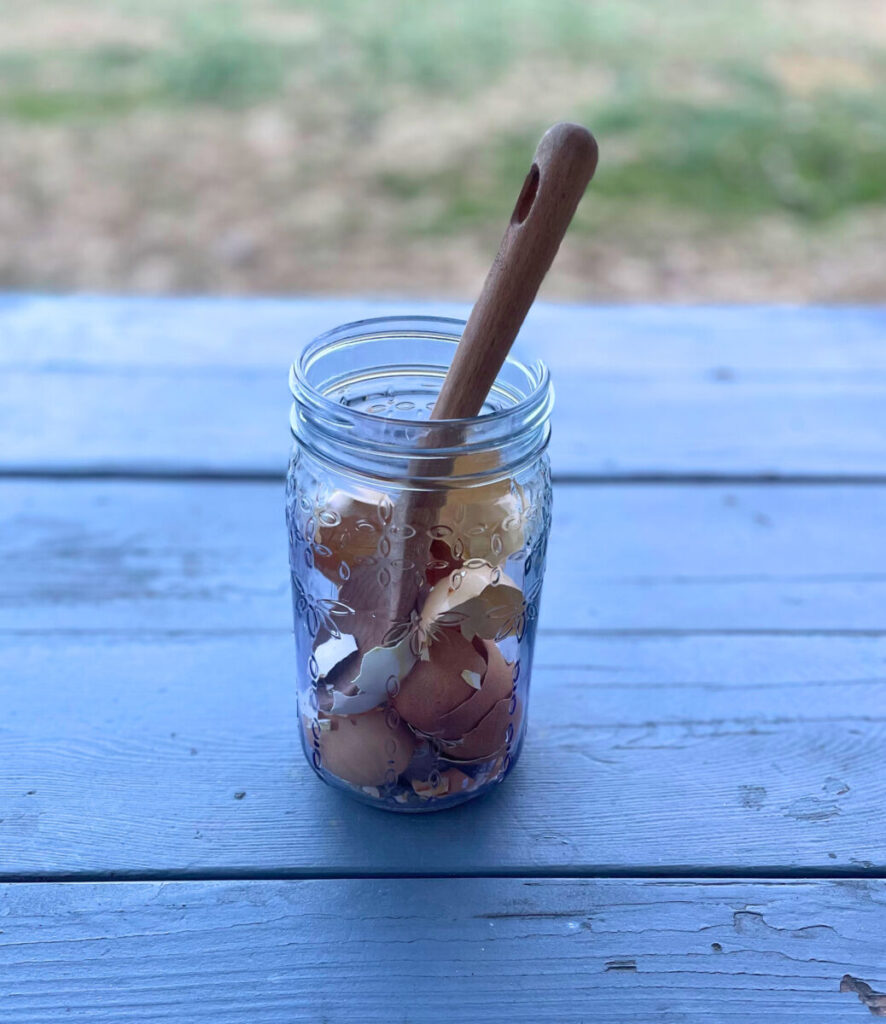
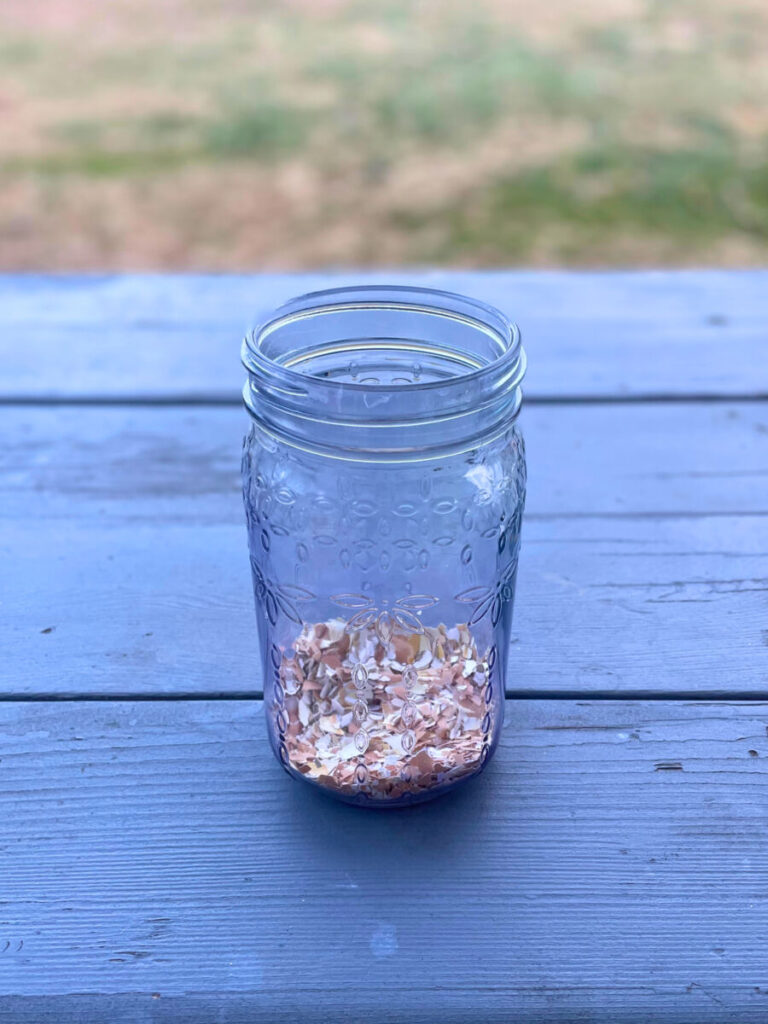
Step 4: Let cool and then crush eggshells. I do this by simply putting the baked eggshells back into the original jar and crushing with a wooden spoon. This is a great job for a toddler!
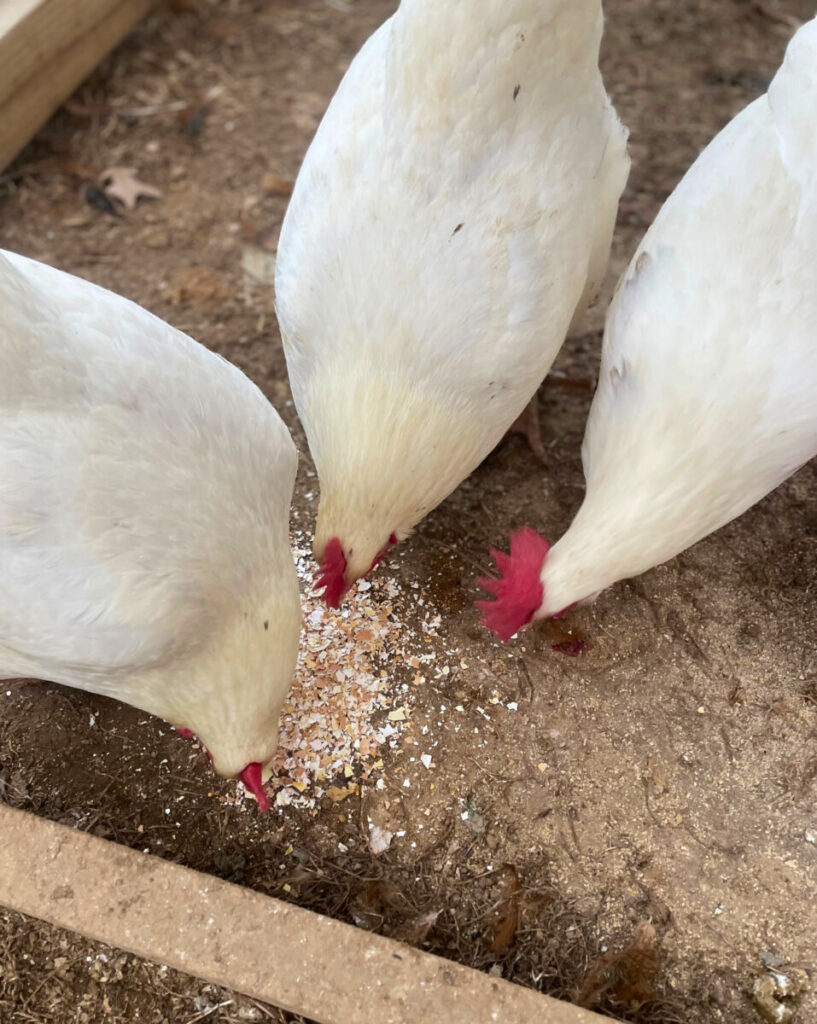
Step 5: You can dump the calcium grit directly on the ground for your chickens or place in a container near their food and water.
Tips:
- There are plenty of creative ways to crush your egg shells. You can place in a plastic bag and roll with a rolling pin or give them a few pulses in a food processor or blender.
- To avoid any leftover egg white or yolk sticking to the pan, simply rinse your eggshells with water before baking. Alternatively, you can line your pan with foil or parchment paper.
FAQ:
Yes! It is essential for chickens to be provided both soluble grit for egg shell quality and strong bones and insoluble grit for the digestive system. If chickens are free ranging they may be able to find pebbles or stones on their own to use as grit. However, it’s a good idea to continue to supplement as needed.
Chickens are smart animals in that they know what they need. If you provide free access to grit, chickens will take as much as their body needs. This can be as simple as throwing the grit straight onto the ground or putting it into a container that the chickens can access. Either way, the chickens will find it. However, it is not recommended to mix the grit with their feed as this can lead to taking in more grit than is needed and can be harmful to the chickens.
Insoluble grit is often found in the form of granite, flint, or natural pebbles that are found outdoors by the chickens themselves. Soluble grit is typically limestone, crushed oyster shells or homemade chicken grit from egg shells.
Start providing insoluble grit once chicks are no longer eating only chick starter. Chicks will need chick grit if this is prior to 6-8 weeks old but can have regular sized grit at 6-8 weeks old. You should also be sure and provide insoluble grit if your chickens are free-ranging.
Start providing soluble, calcium-based grit once your hens start laying eggs, or slightly before, to support egg shell formation.
Yes! Chickens raised for meat still need both types of grit to avoid complications with their digestive system and to support bone structure and growth.


Calcium Grit for Chickens
Ingredients
- Egg shells
Instructions
- Gather egg shells.
- Preheat oven to 350 degrees.
- Place eggshells onto a baking sheet or pan.
- Bake at 350 degrees for 10 minutes.
- Let cool and then crush eggshells.
- Provide to chickens by pouring in a pile on the ground or placing in a container that they can access.
Notes
- There are plenty of creative ways to crush your eggshells- place in a bag and roll with a rolling pin or give them a few pulses in a food processor or blender.
- To avoid any leftover egg white or yolk sticking to the pan, simply rinse your eggshells with water before baking to wash off excess yolk or egg white or line your pan with foil or parchment paper.
Did you find this tutorial helpful? Leave a comment below!
This is such great information!
Glad you found it helpful! Thanks for taking the time to leave a comment.
I love how farming and gardening is circular like this- no waste! Turn scraps into food from animals and compost and the cycle begins again!
Yes! You find a use for so many things that would otherwise be thrown away.