This durum wheat pasta recipe made with semolina flour brings pasta night to a whole new level. Impress your friends and family by making homemade pasta for that special occasion or store it for an easy weeknight meal.
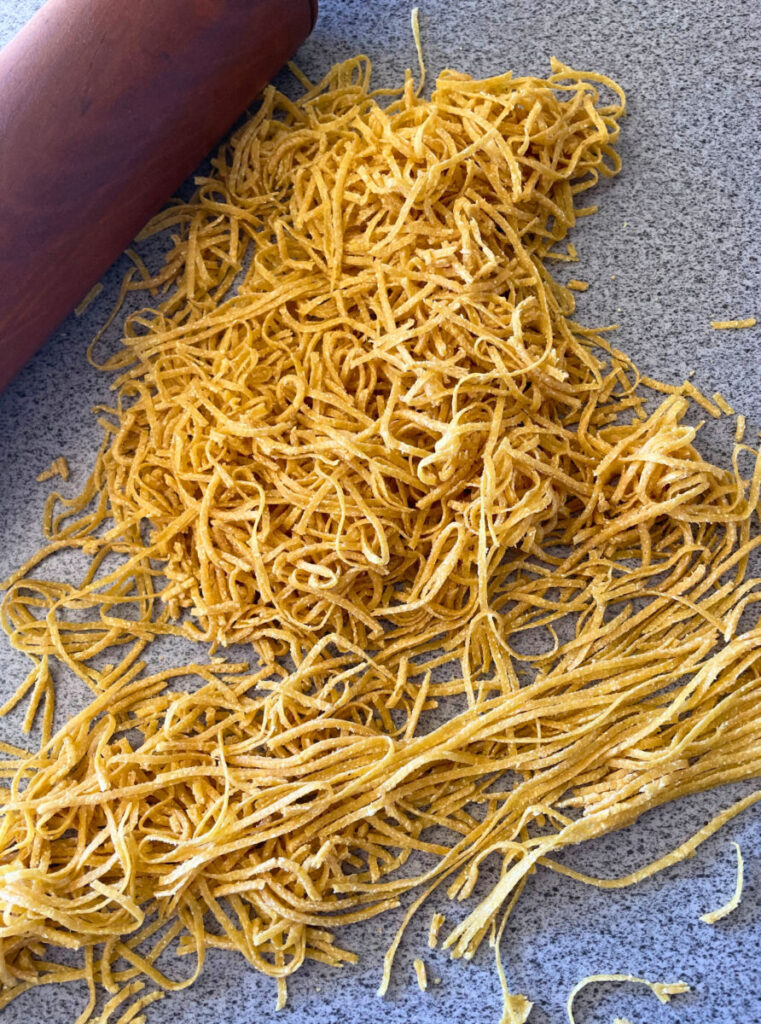
I won’t lie to you, making homemade pasta isn’t always something that just fits seamlessly into my day. For me, it feels more like a labor of love and something that I have to carve out time to make. But let me tell you, when I fix myself a plate of homemade pasta and top it with cheesy alfredo sauce, it’s so worth it!
That’s why when I have some extra time, I make pasta and dry it so I can store it for the busy day I need it. It turns something that feels time-consuming and reserved for a fancy meal into a super quick meal that saves me over and over again when I have nothing planned for dinner.
What is Durum Wheat?
One of the wheats used most to make authentic Italian pasta is durum wheat. When you mill durum wheat, it is called semolina flour.
Durum wheat differs from common wheat in that durum wheat is a harder grain and has a higher protein content. It bodes a more yellow color when milled and is more coarse than regular wheat. It also has a more stretchy gluten whereas common wheat is more elastic, making common wheat more ideal for breads and pastries. Because of these properties, the main use for durum wheat is pasta making.
A few years ago, when I started milling my own grains, I used hard white wheat to make homemade pasta. I then started buying soft white wheat too and experimented with using it to make pasta. I had not yet even heard of durum wheat and did not know that many traditionally use semolina flour to make pasta.
One day, I was listening to a YouTube video and the lady mentioned making homemade pasta with durum wheat berries. I knew I wanted to make a more traditional pasta while still milling my own grains, so I had to look into this and try it. I went to the Azure Standard website and sure enough found durum wheat berries for my grain mill. When my husband tasted it, I knew I had found a winner.
Why You’ll Love This Recipe
Exceptional taste-This recipe brings pasta night to a whole new level. It’s just hard to go back to store-bought pasta after trying homemade.
Make ahead-You can make homemade pasta ahead of time and dry it to store in your pantry or freeze it so you don’t have to worry with rolling out pasta on the day you want to eat it.
Nutritious-With just 3 simple ingredients including fresh milled flour, this pasta is packed full of vitamins and minerals. The addition of eggs adds additional protein versus store-bought pasta.
Ingredients
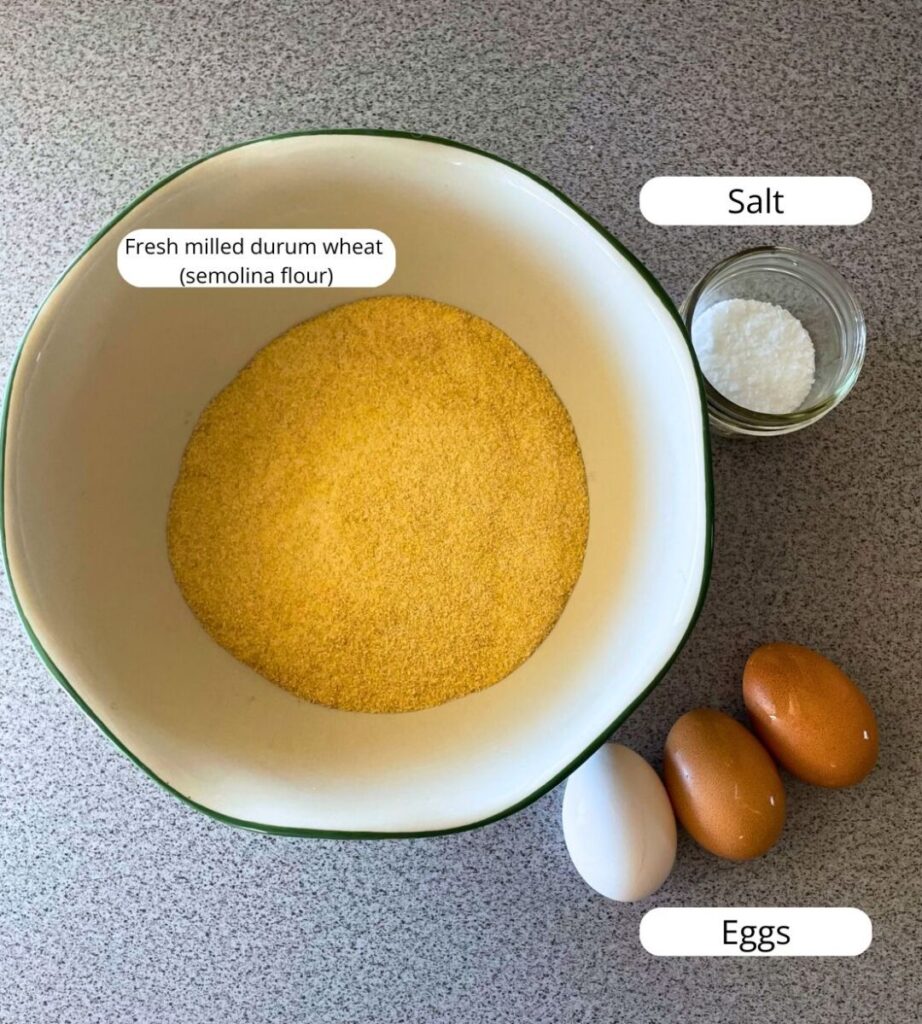
Fresh milled flour-I mill durum wheat berries in my grain mill which results in semolina flour. I have also used hard white and soft white wheat berries in this recipe and they have all turned out great. If you don’t have a grain mill, feel free to try all purpose or semolina flour from the store.
Salt
Eggs-If you have chickens and are drowning in eggs, making and drying or freezing pasta is a great way to “preserve” them. Don’t forget to save all those egg shells for homemade calcium grit for your chickens!
How to Make Durum Wheat Pasta
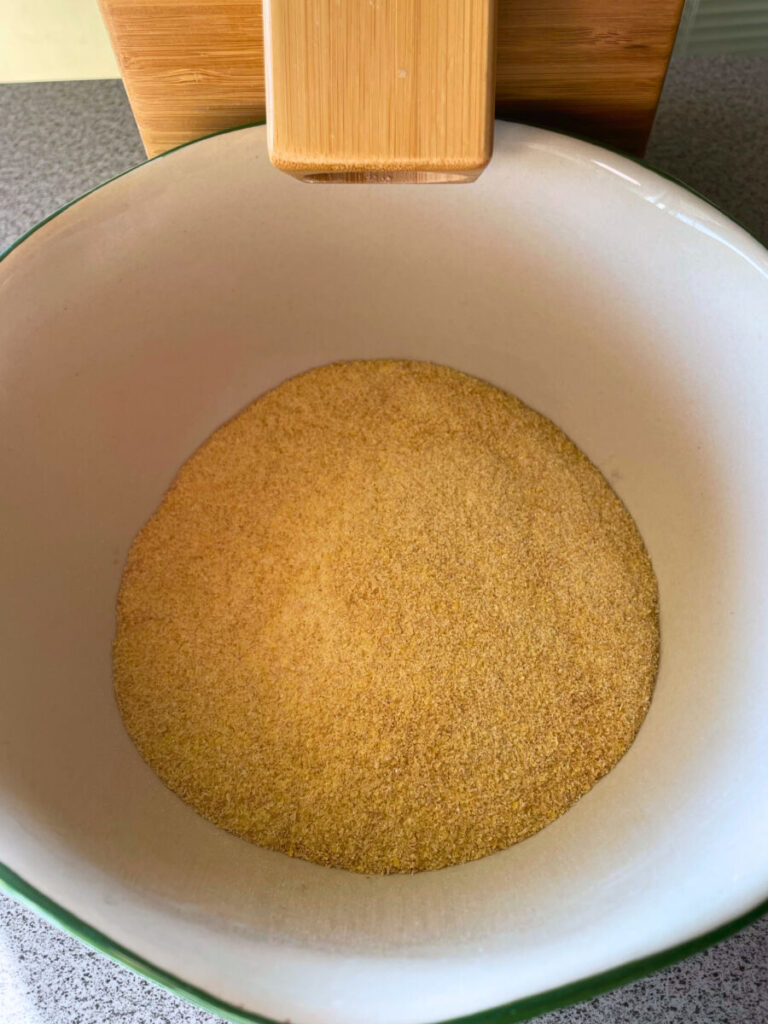
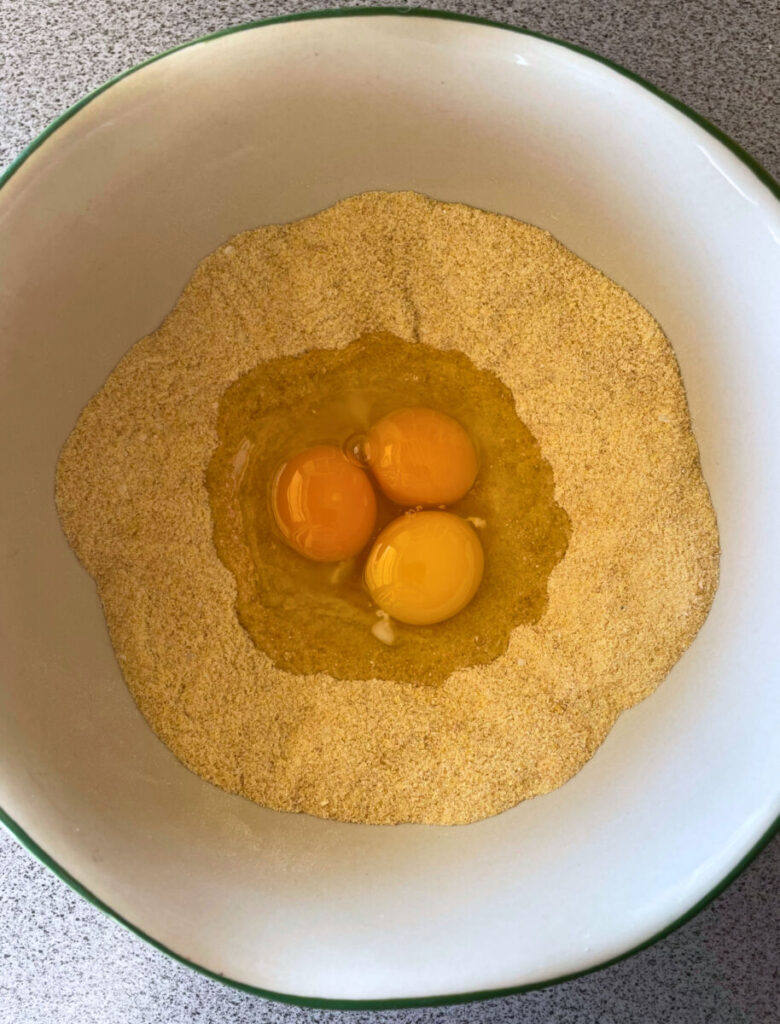
Step 1: Freshly mill durum wheat berries and place 2 cups of flour in a large bowl.
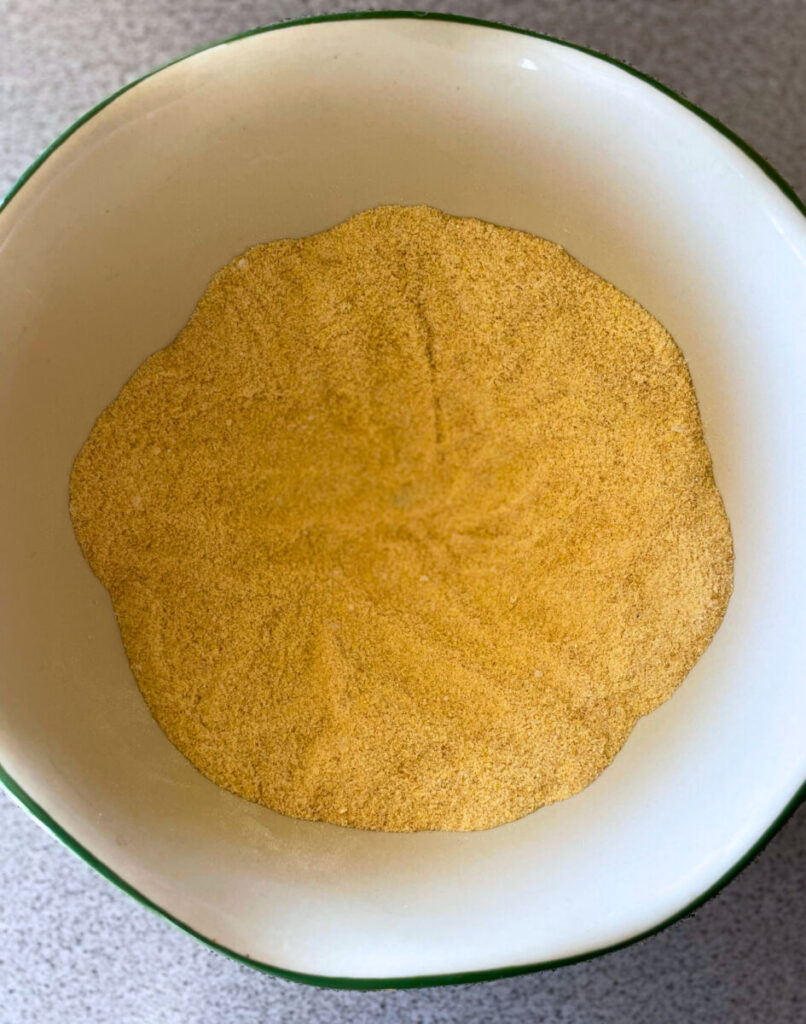
Step 2: Stir in salt and create a well in the center of the flour using a fork.
Step 3: Add eggs to the center of the well.
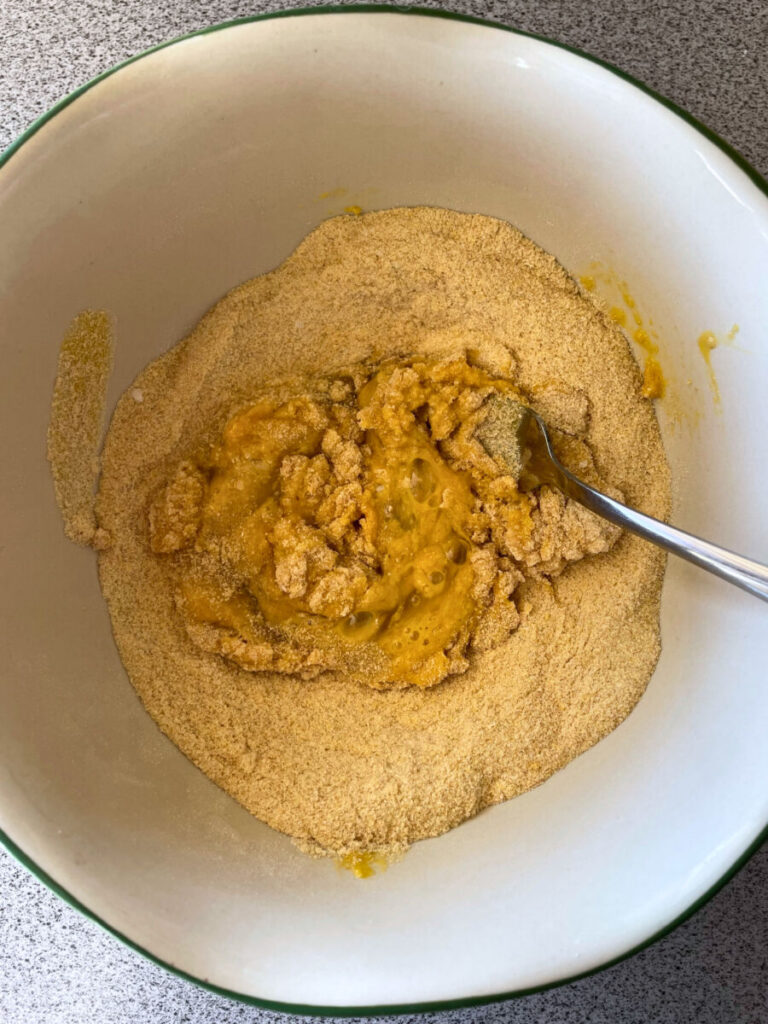
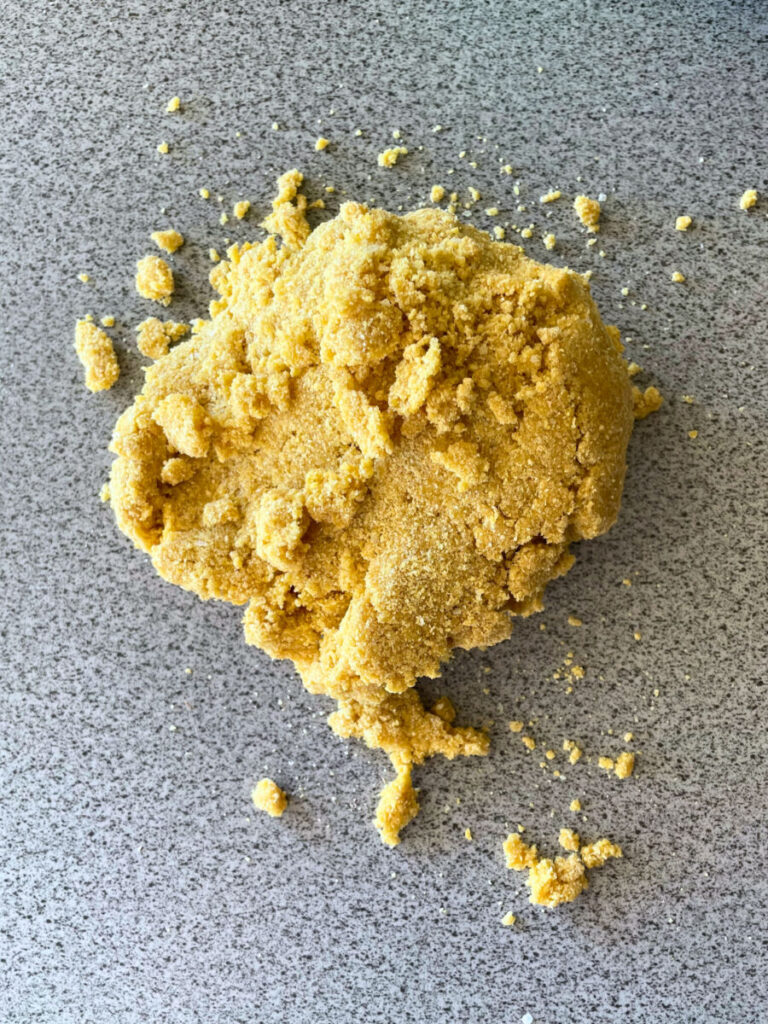
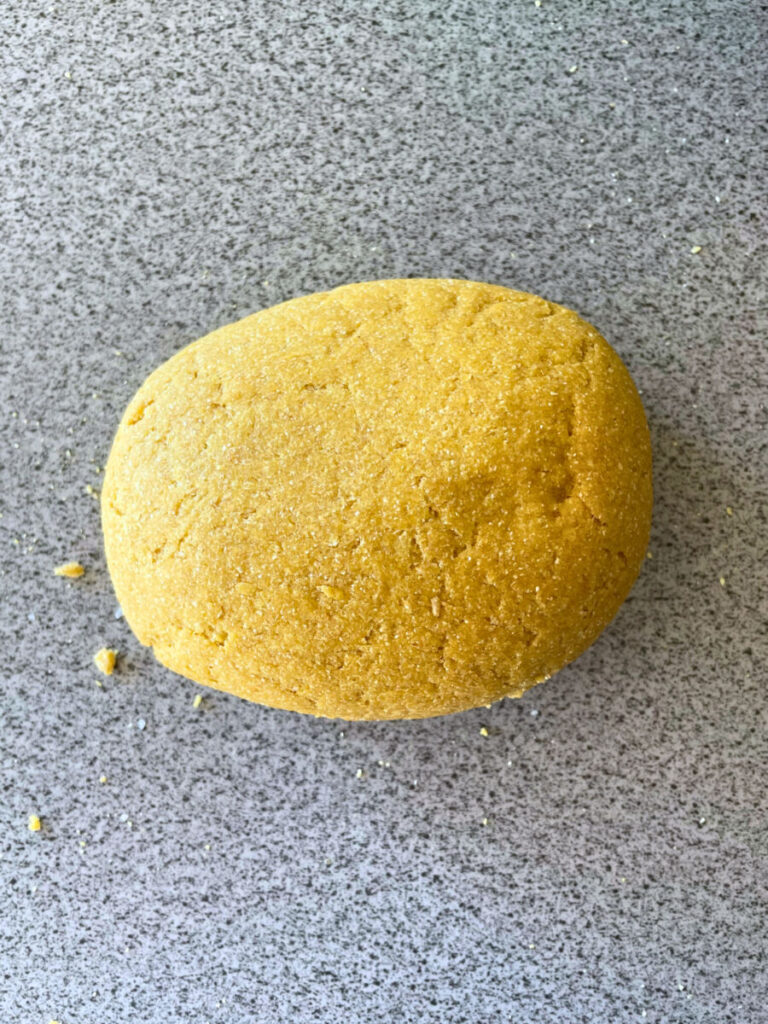
Step 4: Begin whisking eggs and gradually add in surrounding flour until a rough dough forms.
Step 5: Place ball of dough onto countertop (lightly floured if needed).
Step 6: Knead dough on the countertop for 6-8 minutes until smooth.
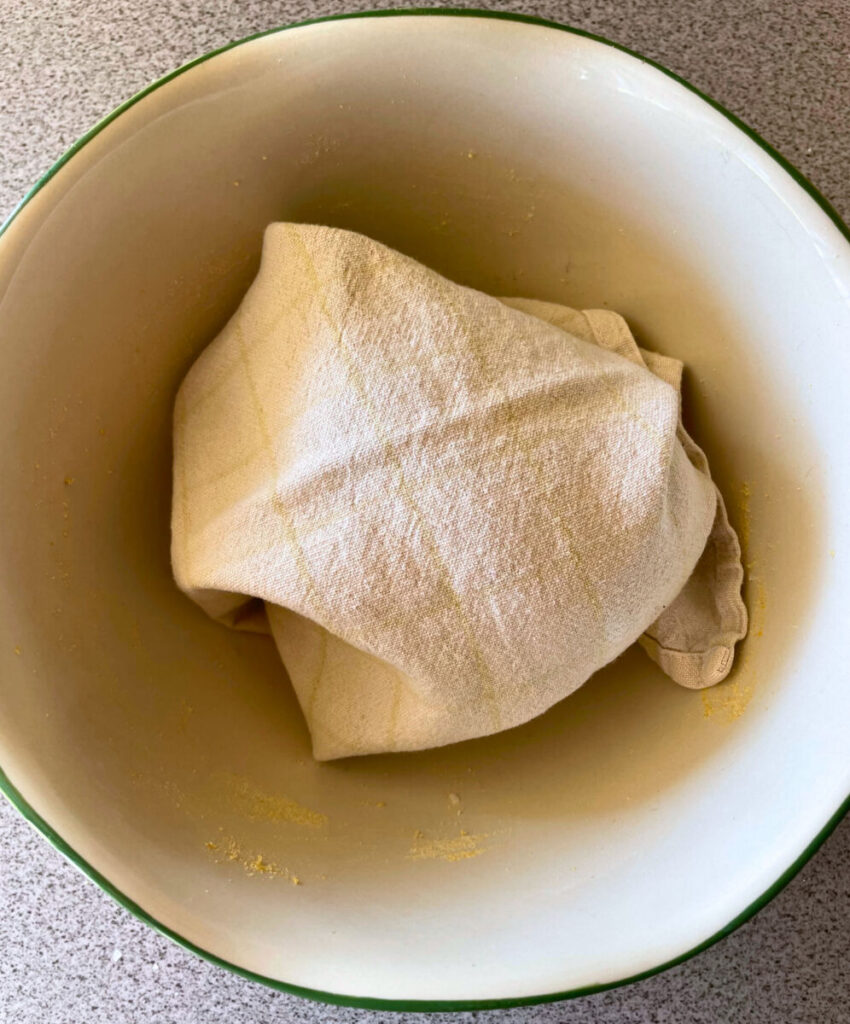
Step 7: Wrap dough in tea towel or plastic wrap and allow to rest at room temperature for 45 minutes. This allows the gluten to relax and makes the rolling process easier.
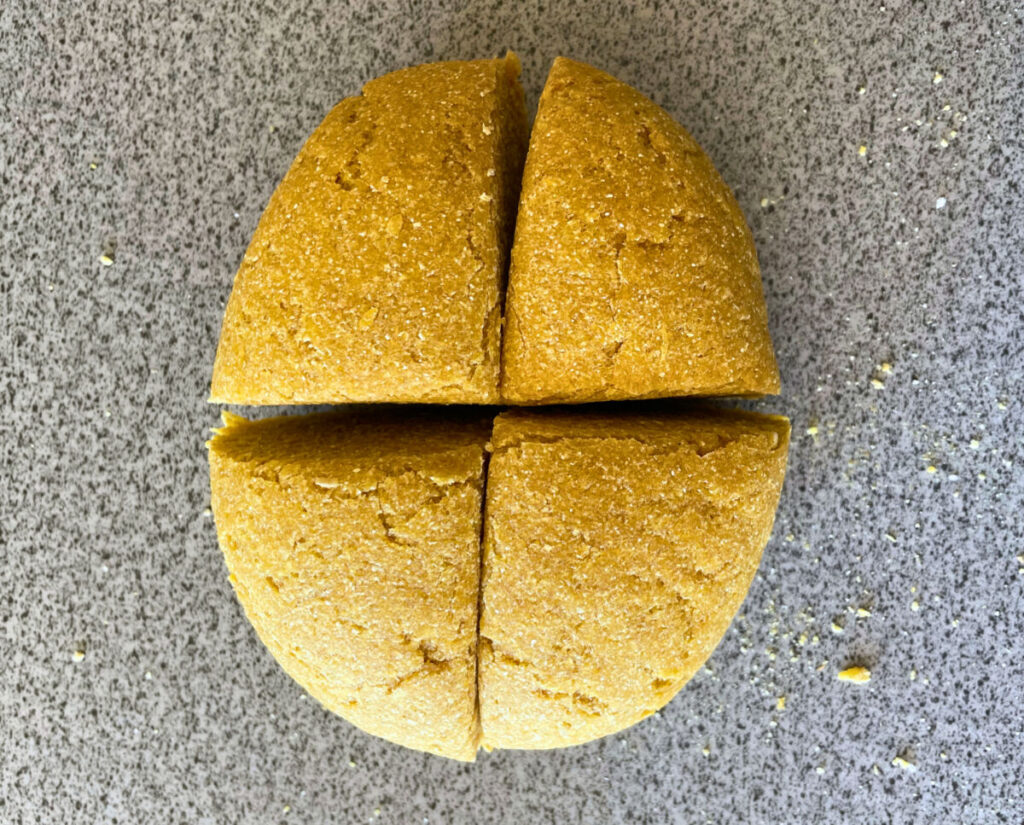
Step 8: After 45 minutes, divide the dough into 4 sections. These don’t have to be perfectly even.
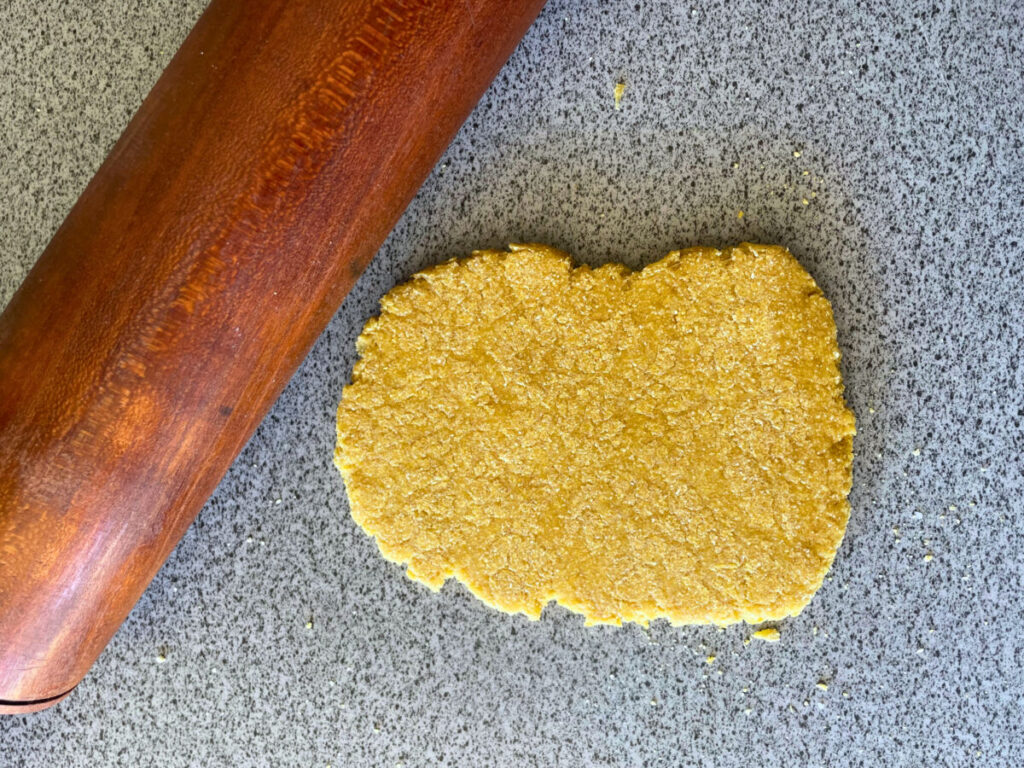
Step 9: Roll each section with a rolling pin to flatten it enough to feed through the pasta machine. If you don’t have a pasta machine, you can continue rolling dough as thin as possible with a rolling pin.
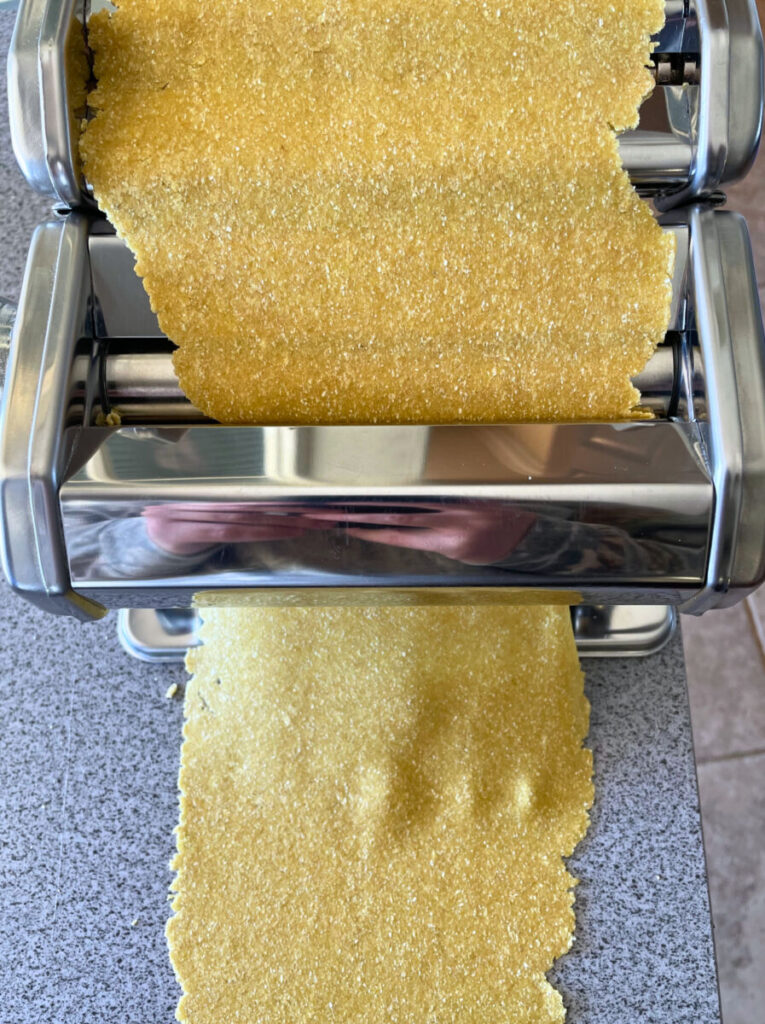
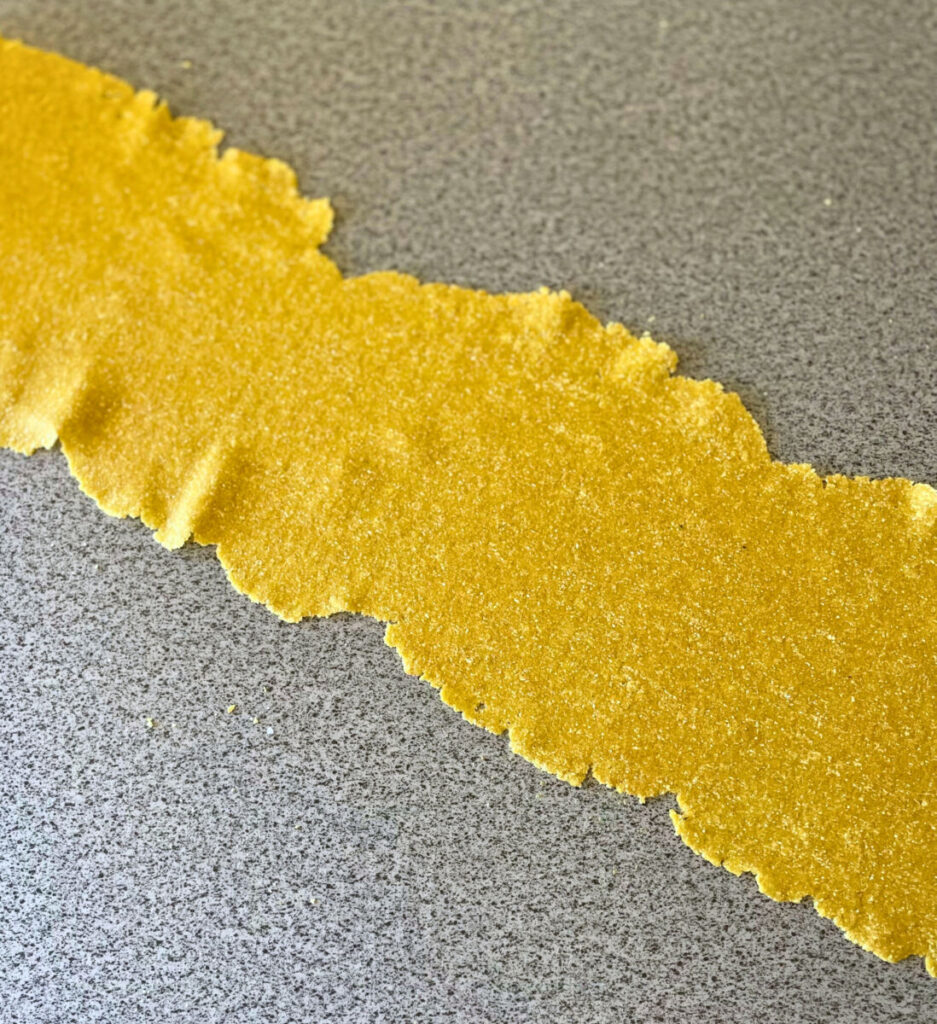
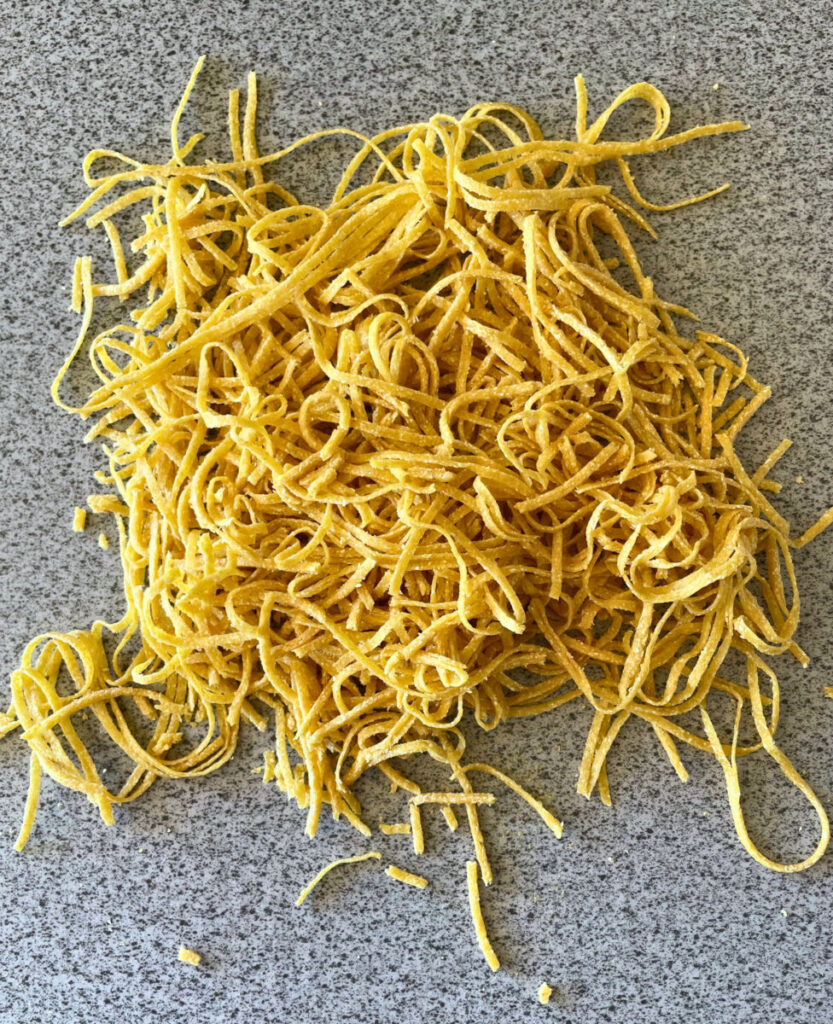
Step 10: Feed each section of dough through the pasta machine, starting with the thickest setting and gradually decreasing until you reach the thinnest setting.
Step 11: Once you reach the thinnest setting, cut pasta into desired noodle size. My pasta machine makes either spaghetti or fettucine noodles. I also make lasagna noodles by cutting the dough with a knife or pizza cutter. If you aren’t using a pasta machine, use a pizza cutter or knife to cut pasta into strips.
Step 12: At this point, you can either cook pasta fresh, lay pasta out to dry, or freeze pasta for later. See FAQs and recipe card below for instructions on each option.
Tips:
- If you don’t own a pasta machine, don’t worry. You can still make this recipe by simply using a rolling pin to roll the dough out and then a knife or pizza cutter to cut into pasta strips. You may not be able to get your pasta strips as thin this way, but it still turns out delicious.
- If you find that your pasta dough is too wet and sticking to the pasta machine, lightly dust dough with flour.
- I find it helpful to pass the dough through the thickest setting on the pasta machine several times, folding it over on itself lengthwise, to get the dough smooth and straight.
- When I’m making lasagna noodles, I like them thicker, so I’ll stop on setting 2-3 on the pasta machine before cutting into lasagna noodles with a knife or pizza cutter.
Recipe FAQs
Yes! Especially when fresh-milled, durum wheat is a nutrient dense source of protein and iron. Because fresh milling grain means the bran and germ of the wheat is kept, it contains more fiber, magnesium and phosphorus than refined grains. Durum wheat is also a great source of B vitamins.
Durum wheat pasta has a less sticky texture and holds its shape better when compared to whole wheat pasta. Durum wheat pasta also has a higher protein content.
Homemade pasta can be dried to store in the pantry or frozen. To dry, lay pasta out on a drying rack or towel for 2-3 days or until completely dry. Store in an air-tight container for 1-2 months.
To freeze pasta, divide into desired serving sizes and lightly dust with flour. Place portions on a baking sheet to flash freeze for 30-60 minutes then transfer to an airtight, freezer-safe container or bag for up to 6 months. Pasta can be placed directly into boiling water from frozen, just add an additional 1-2 minutes to the cooking time.

Durum Wheat Pasta
Ingredients
- 2 cups semolina flour I freshly mill durum wheat berries.
- 1/2 teaspoon salt
- 3 eggs
Instructions
- Freshly mill durum wheat berries and place 2 cups of flour in a large bowl.
- Whisk in salt and create a well in the center of the flour using a fork.
- Add eggs to the center of the well.
- Begin whisking eggs and gradually add in surrounding flour until a rough dough forms.
- Place ball of dough onto countertop (lightly floured if needed).
- Knead dough on the countertop for 6-8 minutes until smooth.
- Wrap dough in tea towel or plastic wrap and allow to rest at room temperature for 45 minutes. This allows the gluten to relax and makes the rolling process easier.
- After 45 minutes, divide dough into 4 sections.
- Roll each section with a rolling pin to flatten it enough to feed through the pasta machine. If you don't have a pasta machine, you can continue rolling dough as thin as possible with a rolling pin.
- Feed each section of pasta through the pasta machine, starting with the thickest setting and gradually decreasing until you reach the thinnest setting.
- Once the thinnest setting is reached, cut pasta into desired noodle size. If you aren't using a pasta machine, use a pizza cutter or knife to cut pasta into strips.
To Cook Pasta:
- Bring a large pot of water to a boil and salt generously.
- Cook fresh pasta for 2-3 minutes. Cook dried pasta for 5-6 minutes. Cook frozen pasta for 3-5 minutes.
- Strain water, top with sauce, and serve.
Notes
- If you don’t own a pasta machine, don’t worry. You can still make this recipe by simply using a rolling pin to roll the dough out and then a knife or pizza cutter to cut into pasta strips. You may not be able to get your pasta strips as thin this way, but it still turns out delicious.
- If you find that your pasta dough is too wet and sticking to the pasta machine, lightly dust dough with flour.
- I find it helpful to pass the dough through the thickest setting on the pasta machine several times, folding it over on itself lengthwise, to get the dough smooth and straight.
- When I’m making lasagna noodles, I like them thicker, so I’ll stop on setting 2-3 on the pasta machine before cutting into lasagna noodles with a knife or pizza cutter.
What’s your favorite way to top pasta? Let me know in the comments below!
I used to be too chicken to make my own pasta, but your recipe was so easy to follow and it turned out great – thank you!
So glad you enjoyed. Thanks for sharing!
Great recipe with such easy instructions. Thanks for all the tips too!
I need to try this. I love homemade pasta but it’s so labor intensive. I have a pasta machine that barely gets used so I this will be a good weekend project soon! Thanks for sharing!
This recipe is pretty dope. If I were to make this I would feel super accomplished and healthy.
Oh, yum! What a great recipe!
So simple and wholesome!